From Earth Comes Our Nourishment
From sea and soil come our nourishment. Even through a simple walk in the forest or through an urban park, we can study the different plant families around us, and begin to learn about the ecologies we are part of. Even if life is busy, we can make that connection every day, to both wild and cultivated ecosystems.
Our Summer Garden
Biodiversity in our garden means many plant families working together, each with a unique role — some pulling minerals from the deep, some feeding the soil from above, some sheltering small animals, some attracting beneficial insects. Together they create a fabric of mutual support so the whole is stronger than any one part. More food, more medicine, more shelter, more life. This is biodiversity in action.
What each family does in the soil, it does within us. It is one ecology — us and the garden. We are the garden.
Raspberries (Rosaceae — the rose family)
Our red and white raspberry canes weave a living thicket. Like all members of the rose family, raspberries have thorny stems and five-petaled flowers that give way to aggregate fruits. The thorns shelter small birds and animals from predators, the flowers feed pollinators, and the berries — sweet and full of medicine — feed us and the birds through summer. Other edible rose family plants you may know: apples, pears, plums, cherries, peaches, strawberries, blackberries, and almonds. The raspberry teaches us that protection and generosity are the same thing — thorn and fruit, shelter and food. In me, the same plant delivers vitamin-rich, gently astringent fruit that tones and nourishes — protection and generosity as one.
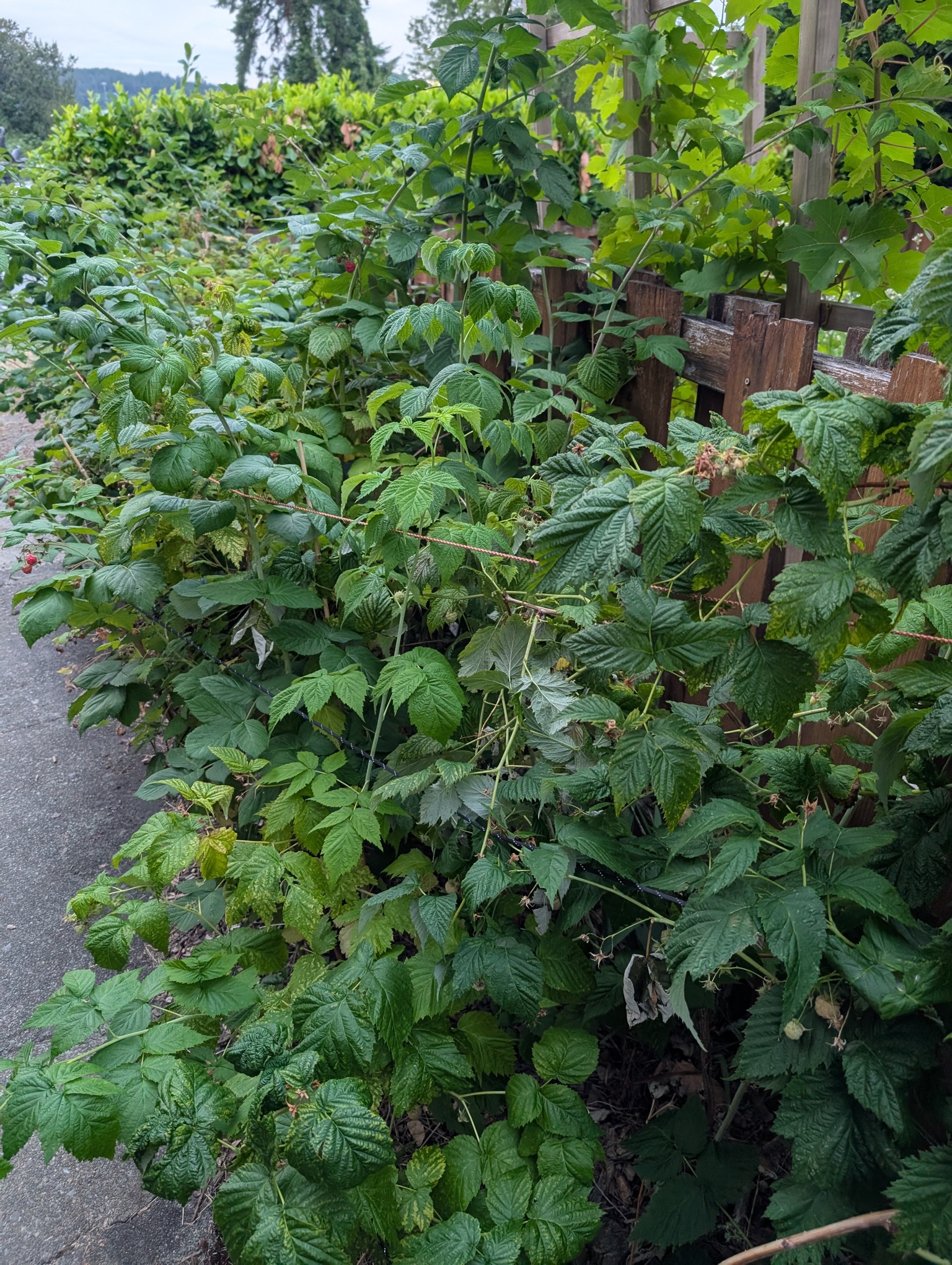
Raspberries: Shelter, food, and medicine from the rose family
Mustards (Brassicaceae)
Arugula, pac choi, radish. Easy ID: four-petaled flowers in the shape of a cross, hence the old name "cruciferous." The mustard family are the pioneers — they germinate fast, cover bare soil, and their peppery glucosinolate compounds repel many pests while inviting beneficial insects. They feed us with leaves, flowers, and roots. Mustards teach us that the first to arrive in disturbed ground are not invaders but healers, preparing the way for what follows. In me, their sulfur compounds drive cellular detoxification and vitality — what heals disturbed soil, heals me.
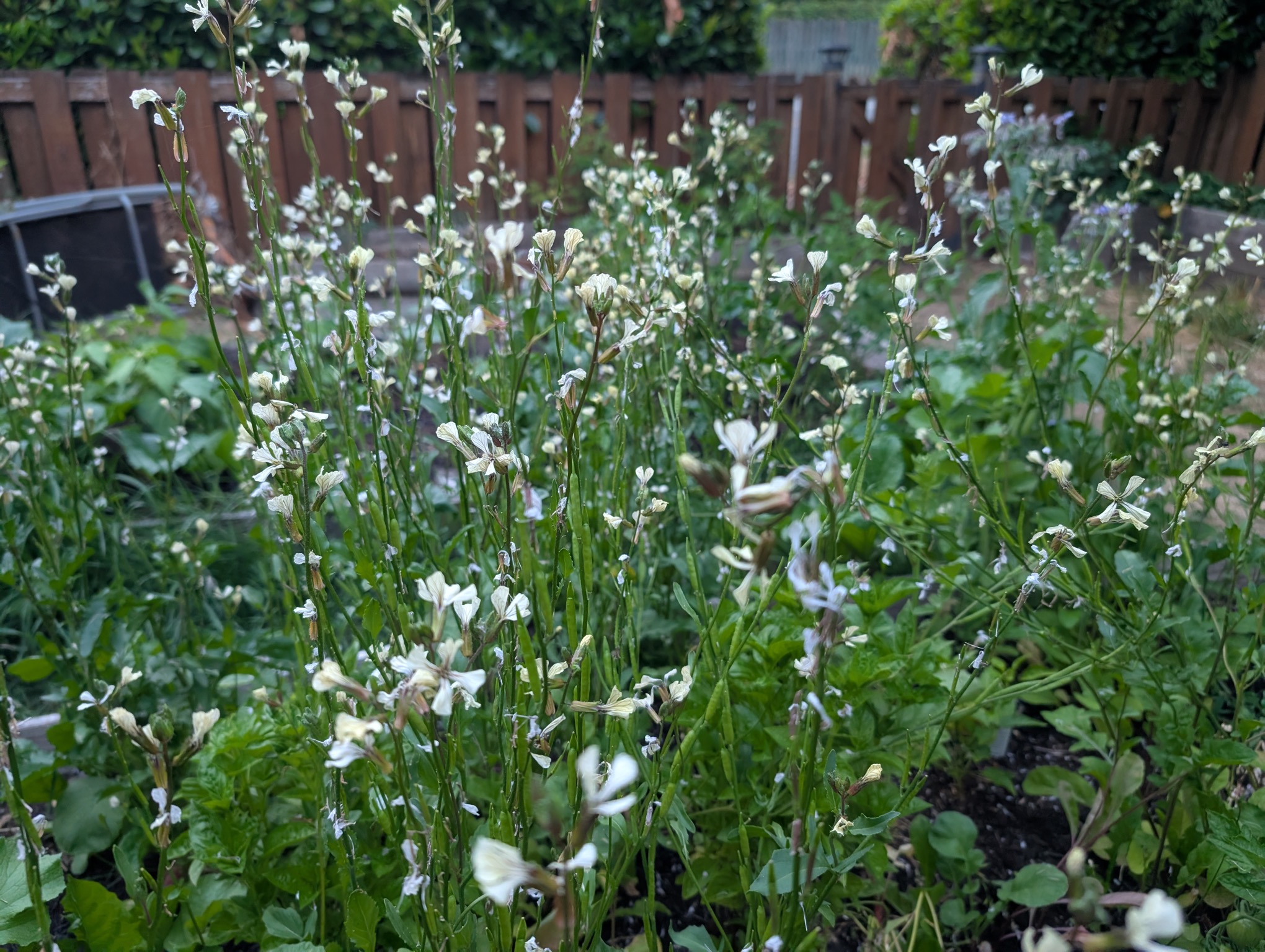
Mustards: Pioneers that heal the soil and feed us
Sunflower family (Asteraceae)
Asters, lettuces, chamomile. Easy ID: composite flower heads — what looks like one flower is actually hundreds of tiny florets clustered together. Their deep taproots pull calcium, potassium, and trace minerals up from the subsoil, making them available to shallower-rooted neighbors. Our mixed lettuces feed us through the season — cut and come again, leaf after leaf. Their flowers are pollinator magnets. The sunflower family shows us that reaching deep serves the whole community. In me, the same deep-reaching energy delivers minerals and steady nourishment — reaching deep to feed the whole.
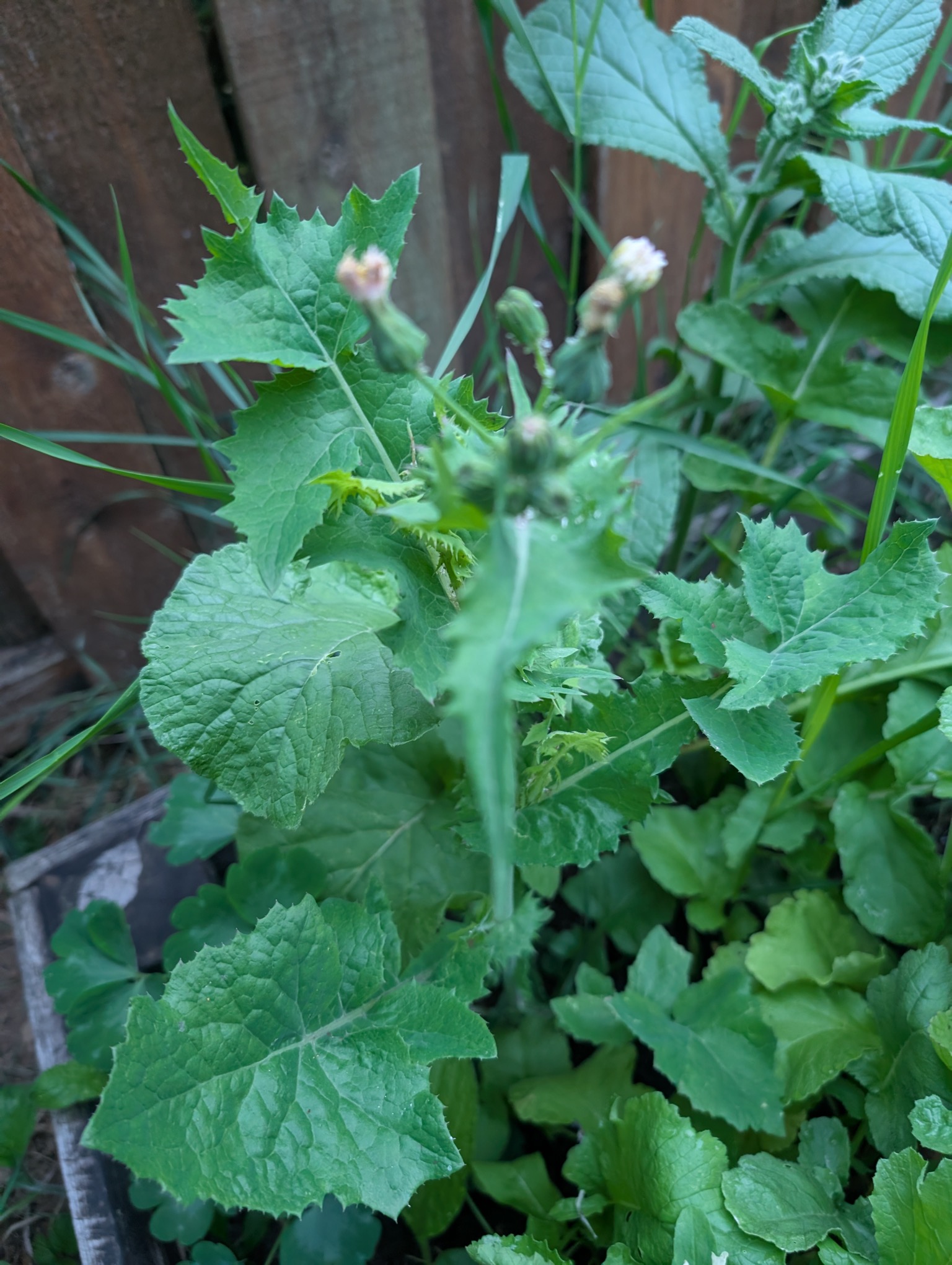
Sunflower family: Deep roots that feed the whole garden
Mints (Lamiaceae)
Rosemary, basil, peppermint. Easy ID: square stems, opposite leaves, aromatic when crushed. Their essential oils repel pests, protect leaves from fungal spores, and create a fragrant barrier that confuses insects. The dense growth shades the soil, holding moisture and preventing erosion. And they give us some of our most beloved culinary herbs. The mints teach us that protection can be fragrant and delicious. In me, those same aromatic oils calm digestion and clear mental fog — fragrance as protection, for the body as for the garden.
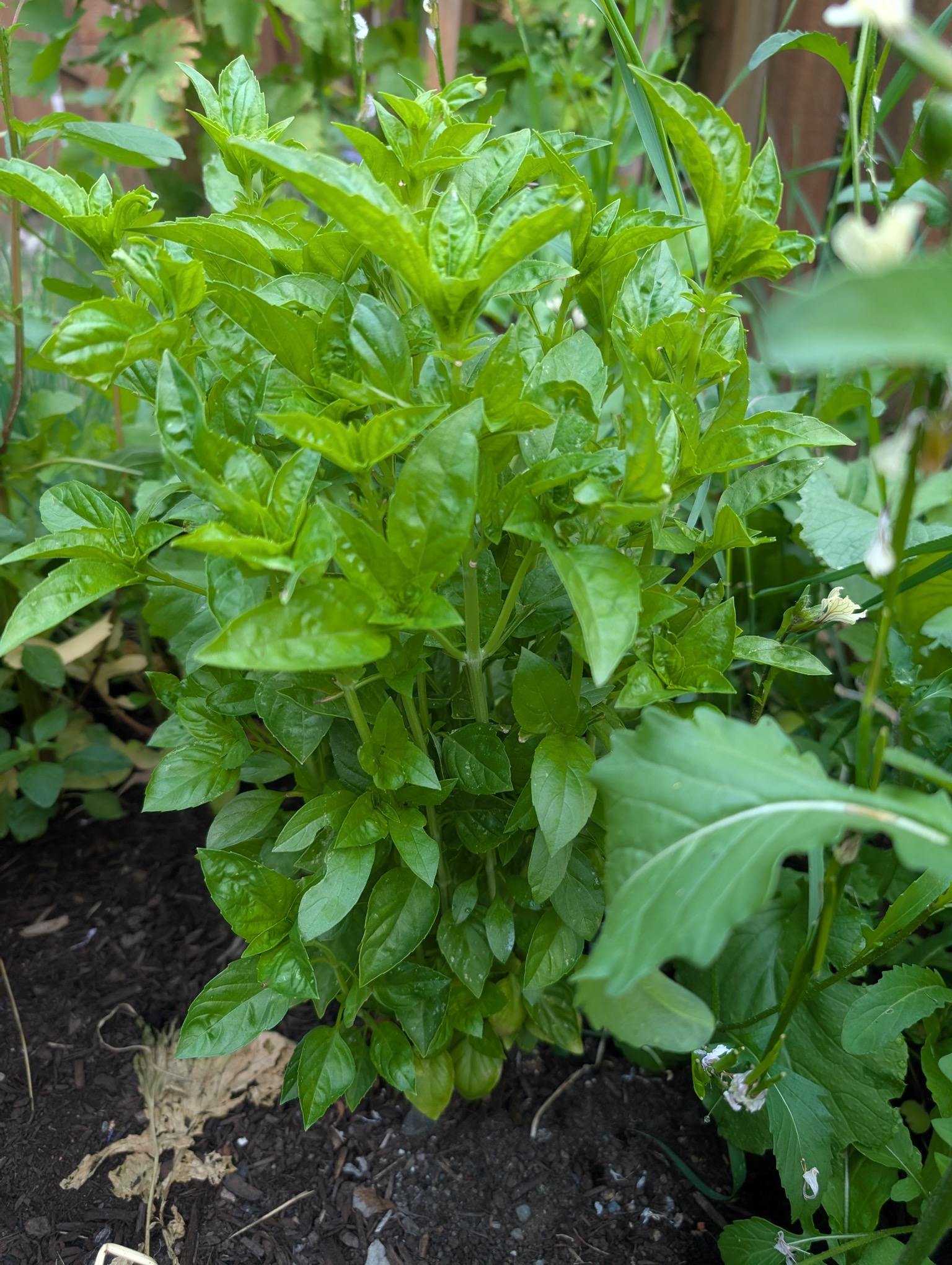
Mints: Fragrant protection for the soil and our kitchen
Beans (Fabaceae — the legume family)
Our bush beans. Easy ID: pea-shaped flowers, seed pods that split along two seams. In partnership with soil bacteria, beans pull nitrogen from the air and convert it into a form other plants can use. Their roots build soil fertility even as they spread low and bushy. They give us protein-rich legumes in return. Beans teach us that the most valuable members of a community are the ones who enrich the soil for everyone. In me, they deliver grounding plant protein and sustained energy — the quiet enricher that builds the body as it builds the soil.
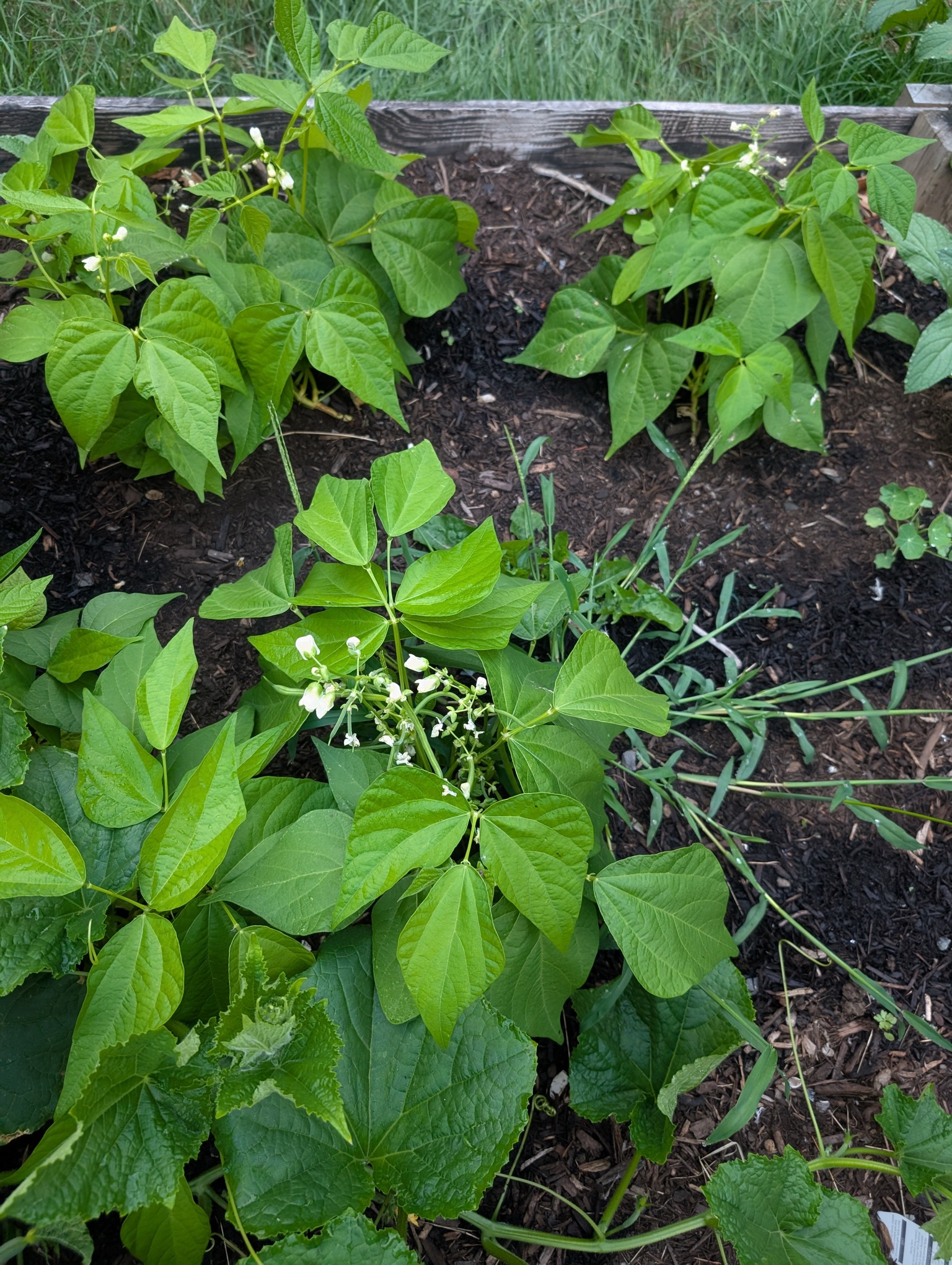
Beans: Nitrogen-fixers that enrich the soil for all
Nightshades (Solanaceae)
Tomatoes, peppers. Easy ID: five-pointed star-shaped flowers, alternate leaves, fruits with internal chambers (septa). They gift us with fruits rich in vitamins and medicinal compounds. Their alkaloids — solanine in tomatoes, capsaicin in peppers — deter insects and herbivores, but for us they become anti-inflammatory medicines and immune boosters. Nightshades teach us that what protects a plant can also heal an animal. In me, those same alkaloids — capsaicin, solanine — become anti-inflammatory and immune-supporting medicine; what protects the plant heals the animal.
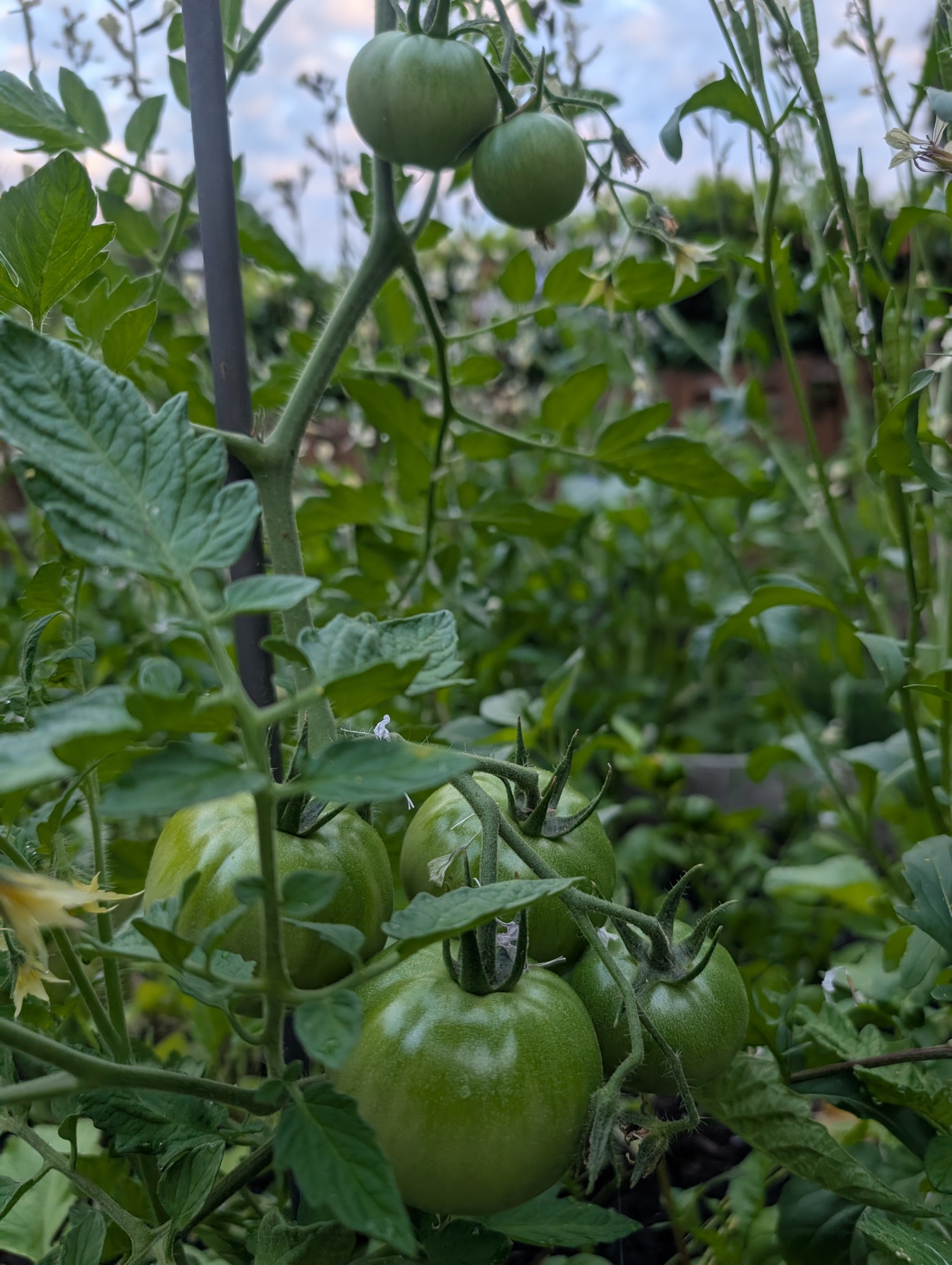
Nightshades: Plant defenses turned into human medicine
Carrot family (Apiaceae)
Parsley, carrots, fennel. Easy ID: umbrella-shaped flower heads (umbels), fern-like or finely divided leaves, hollow stems. Their tall umbels are landing platforms for pollinators of every kind — lacewings, ladybugs, and parasitic wasps feed on their nectar and in return patrol the garden for pests. Below ground, their taproots break up compacted soil and bring us deep nutrition. The carrot family teaches us that beauty and utility are one — the same flower that feeds the bee feeds us. In me, they balance fluids, refresh the breath, and ease digestive flow — deep roots keeping my own flow easy.
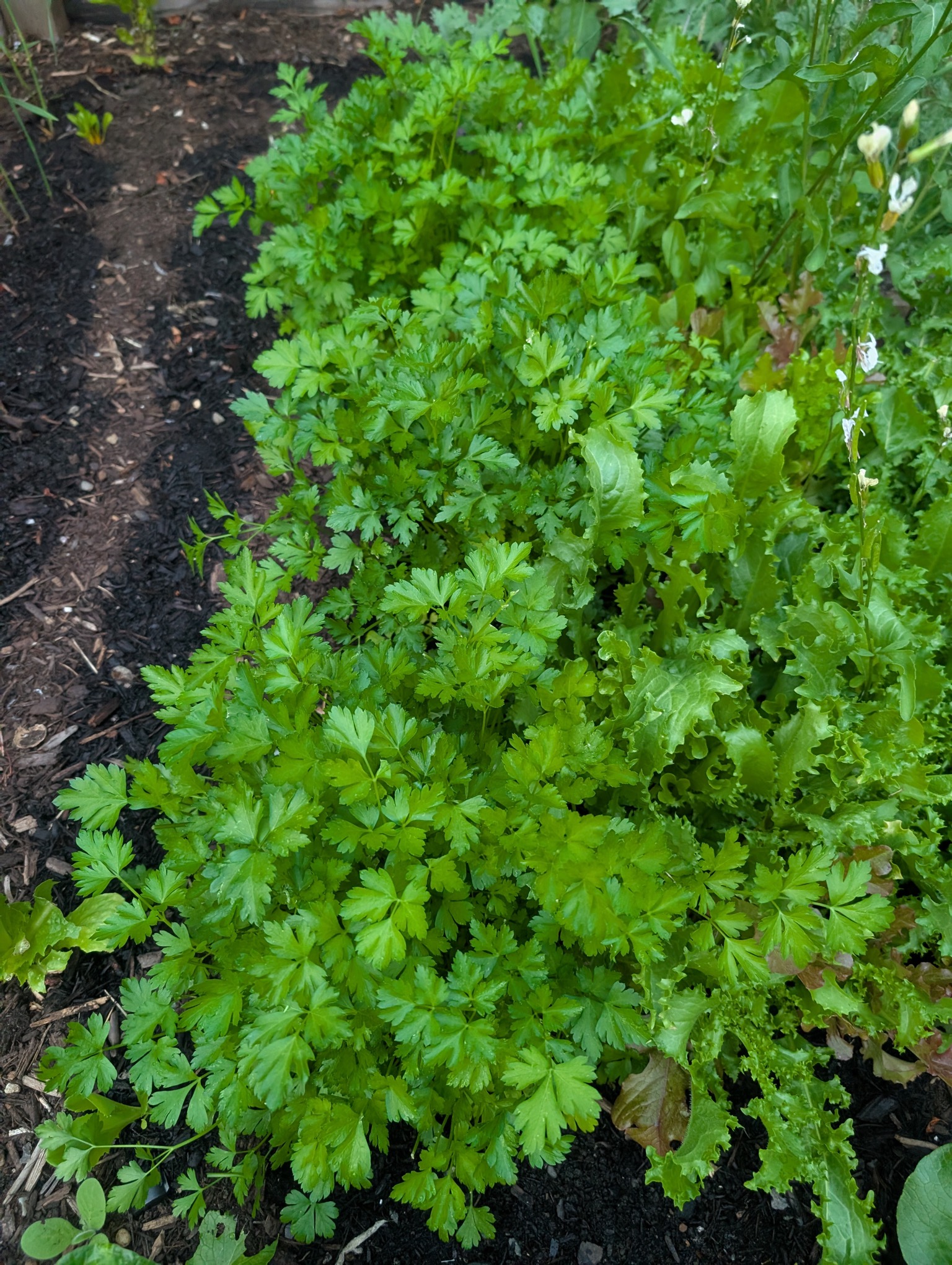
Carrot family: Deep taproots that break compacted earth and feed us
Gourds (Cucurbitaceae)
Cucumbers. Easy ID: trailing vines with tendrils, large lobed leaves, rough hairy stems. Cucumbers spread across the soil as living mulch, their broad leaves shading the ground and holding moisture through summer heat. Their fruits are mostly water, delivering hydration and electrolytes in the hottest months — cooling medicine from the earth. The gourd family teaches us that abundance can be sprawling and generous, covering the ground with life. In me, their water-rich fruits provide deep, cooling hydration and metabolic balance — holding moisture for the body as they hold it for the soil.
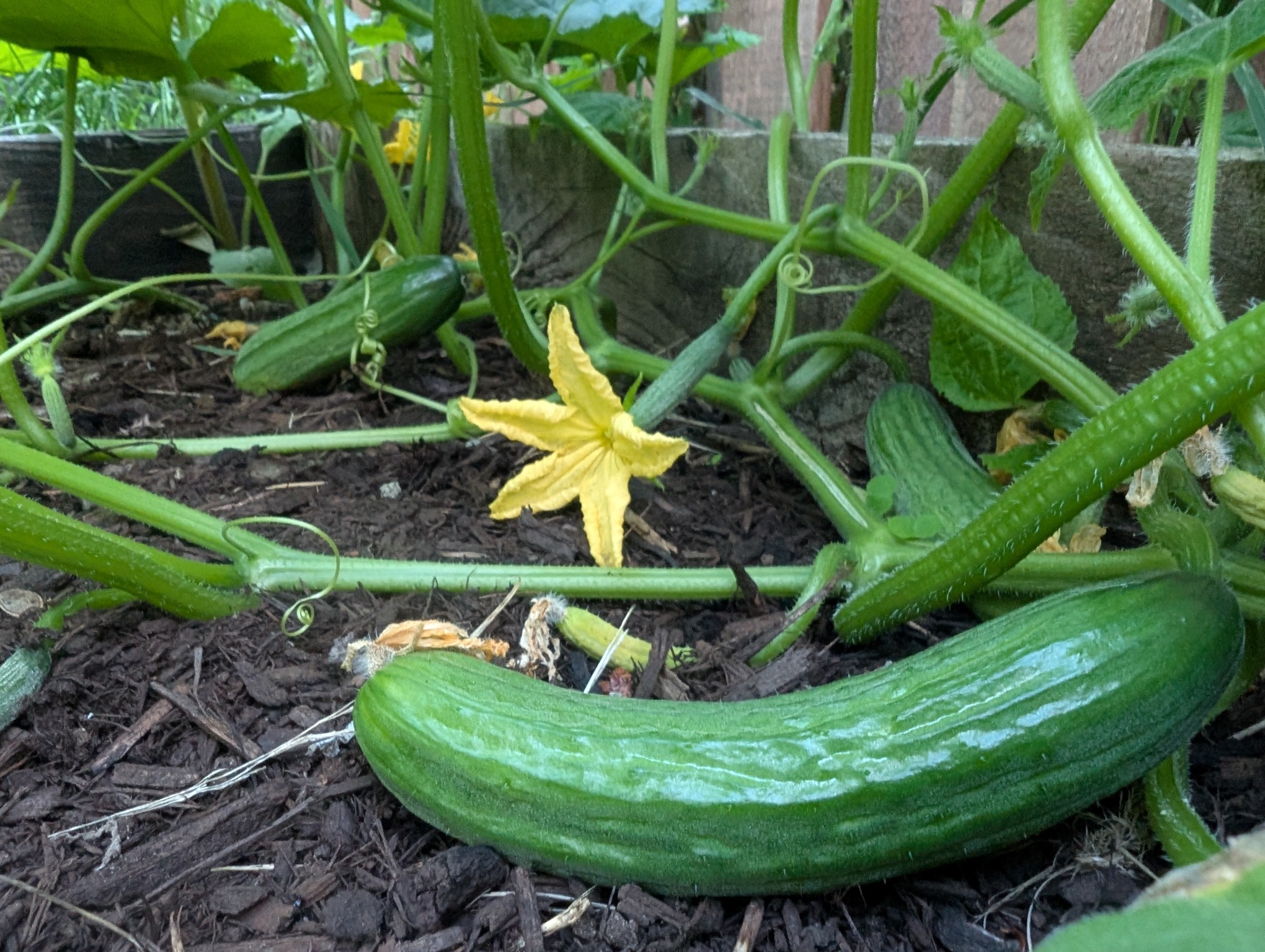
Gourds: Cooling medicine and living mulch for summer heat
Alliums (Amaryllidaceae)
Chives. Easy ID: round, hollow leaves, oniony smell when crushed, purple globe-shaped flower heads. Alliums are the pest-repellers — their sulfur compounds deter aphids, slugs, and many other garden pests. Their purple globe flowers attract bees and other pollinators. And they give us culinary flavor and prebiotic medicine that feeds our gut microbiome. Alliums teach us that the strongest medicine can come in slender, humble form. In me, their sulfur compounds work as prebiotics, feeding the gut microbiome — repelling pests without, nourishing within.
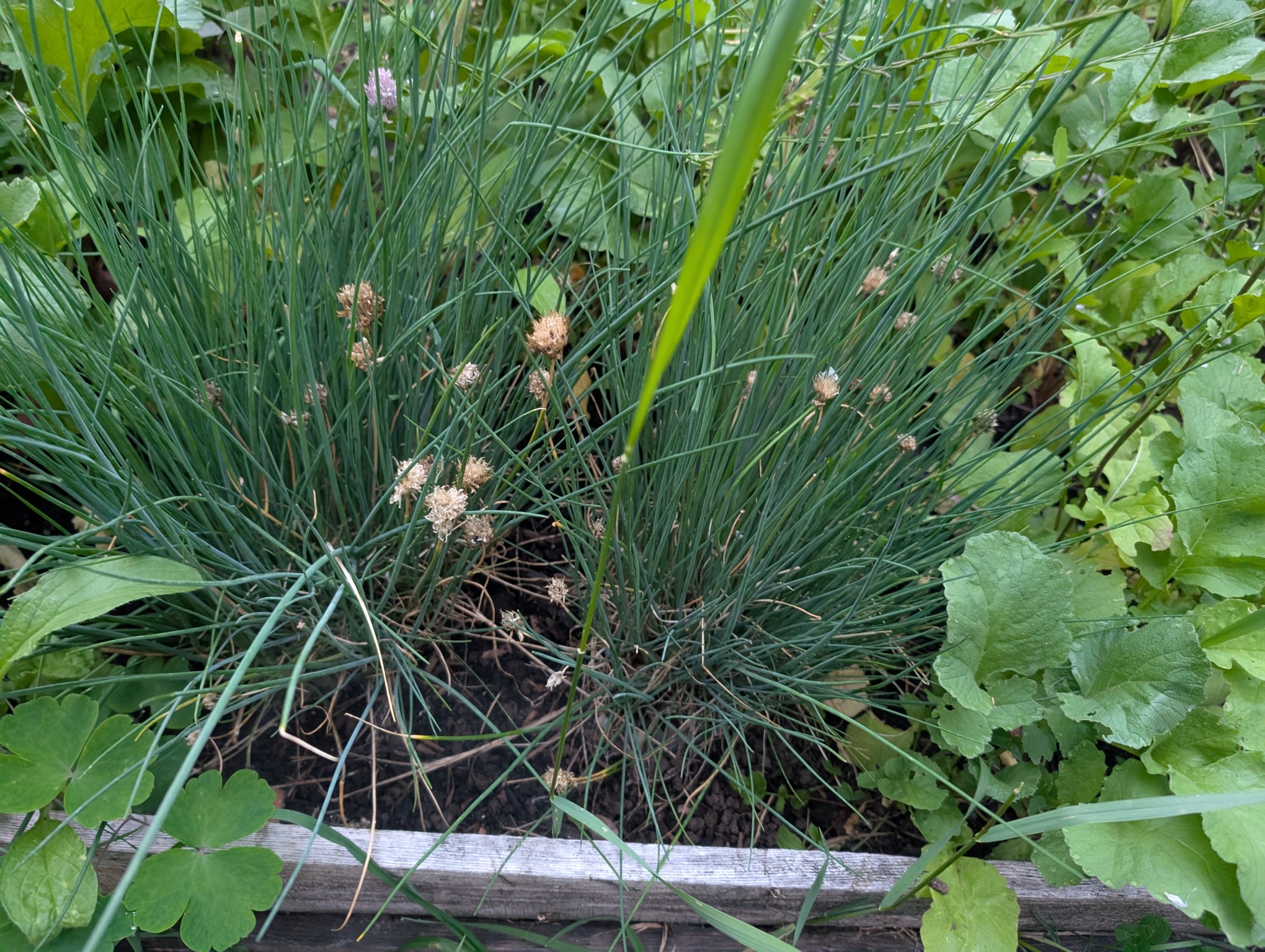
Alliums: Pest-repellers and prebiotic medicine
Borage (Boraginaceae)
Easy ID: all parts covered in coarse, bristly hairs; star-shaped bright blue flowers that nod downward; leaves that taste like cucumber. Borage's taproot plunges deeper than almost any other garden plant, mining minerals from depths that nothing else can reach. Its flowers are a favorite of bees, blooming for months. The leaves and flowers cool the body. Borage teaches us that the most unexpected plant — the one that volunteers, that arrives uninvited — may be the one doing the most essential work. In me, they soothe the adrenal system and uplift the spirit — trace minerals from the deep, doing essential work.
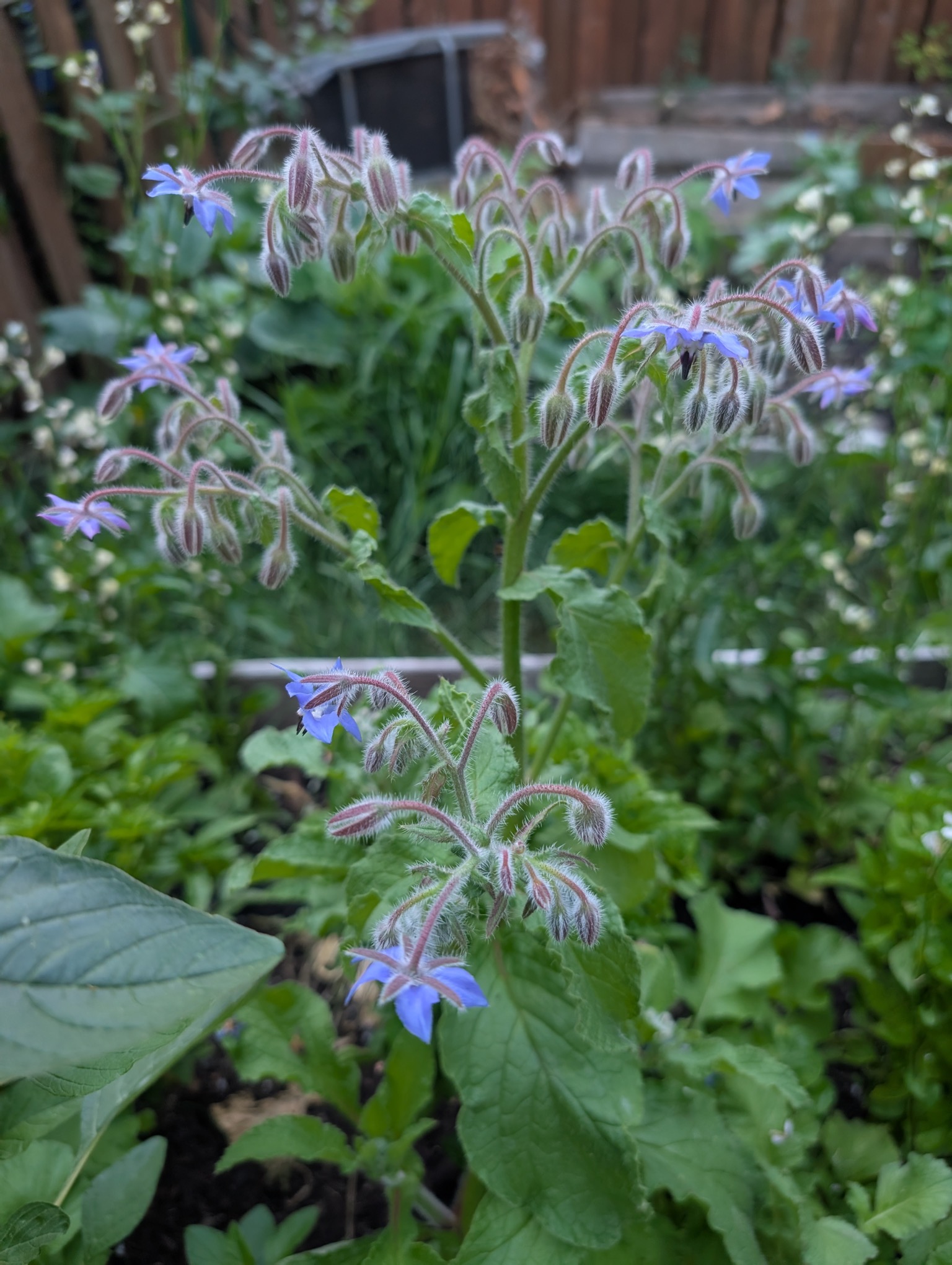
Borage: The deep miner that arrives uninvited
Amaranth (Amaranthaceae)
Easy ID: thick, upright stalks with broad oval leaves and long dangling seed heads; leaves with prominent veins. Amaranth stands tall, its deep taproot mining calcium and iron from the subsoil, bringing them to the surface where shallow-rooted plants can reach them. Its broad leaves shade the soil, holding moisture and suppressing weeds, while its abundant seeds feed us and the birds. In the garden, amaranth is the tower — the deep miner, the shade-giver, the seed-bearer whose generosity feeds the whole system. In me, their iron and calcium nourish the blood — the deep miner feeding the whole.
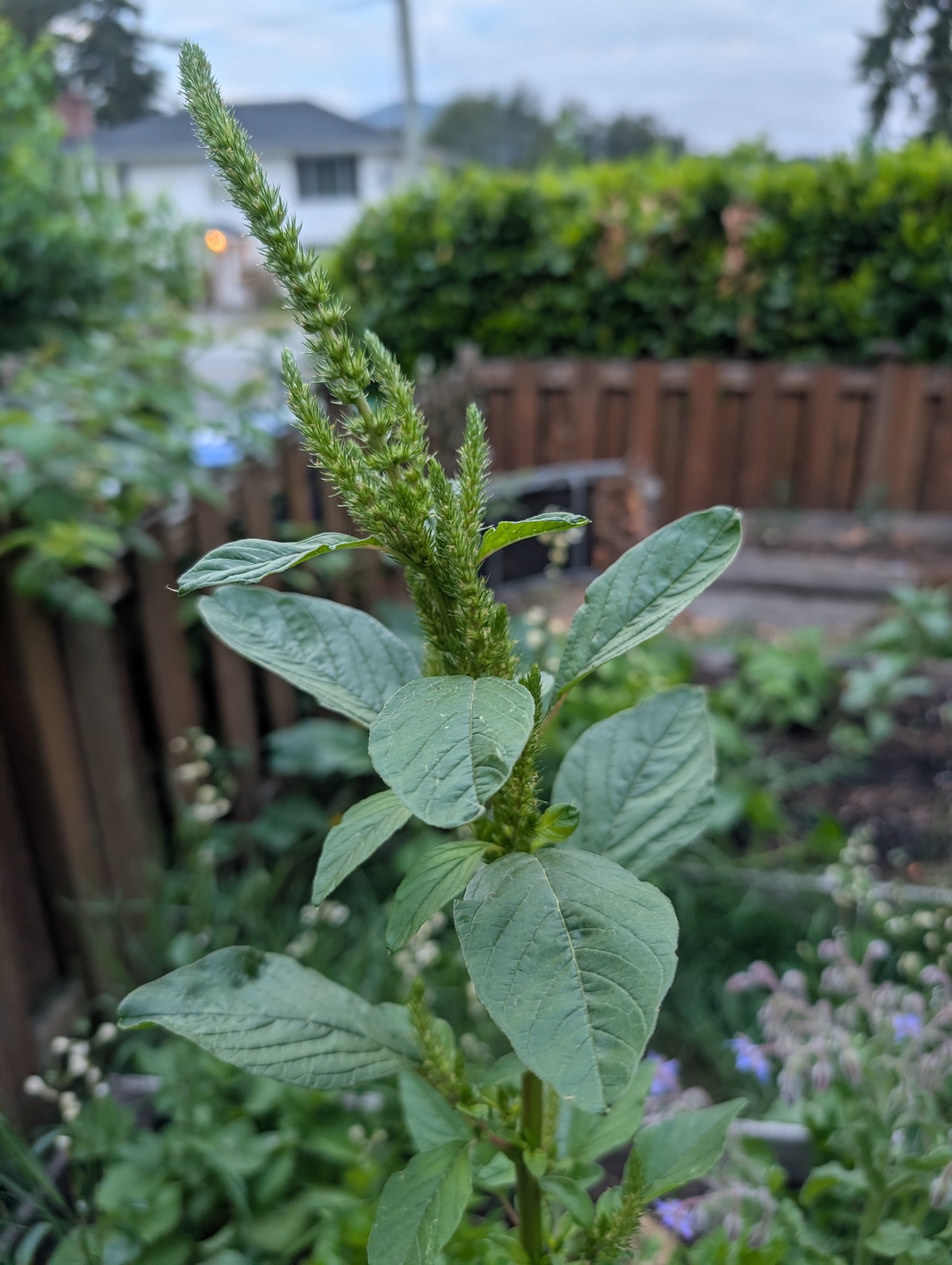
Amaranth: The tower that mines deep and feeds all
Mallow (Malvaceae)
Easy ID: round, softly lobed leaves with palmate veins; hibiscus-like five-petaled flowers; mucilaginous sap. Mallow works humbly beneath notice, its deep taproot breaking up compacted earth and drawing up minerals from below. Its broad, soft leaves carpet the soil as living mulch, holding moisture and creating cool habitat for soil life. The flowers attract pollinators, and the mucilage in its leaves builds soil structure, helping the garden hold water through dry spells. Mallow is the unassuming healer of soil — the crack-breaker, the moisture-keeper, the quiet friend that makes the whole garden more resilient. In me, their mucilage soothes and coats irritated tissue — the quiet healer of the body as of the soil.
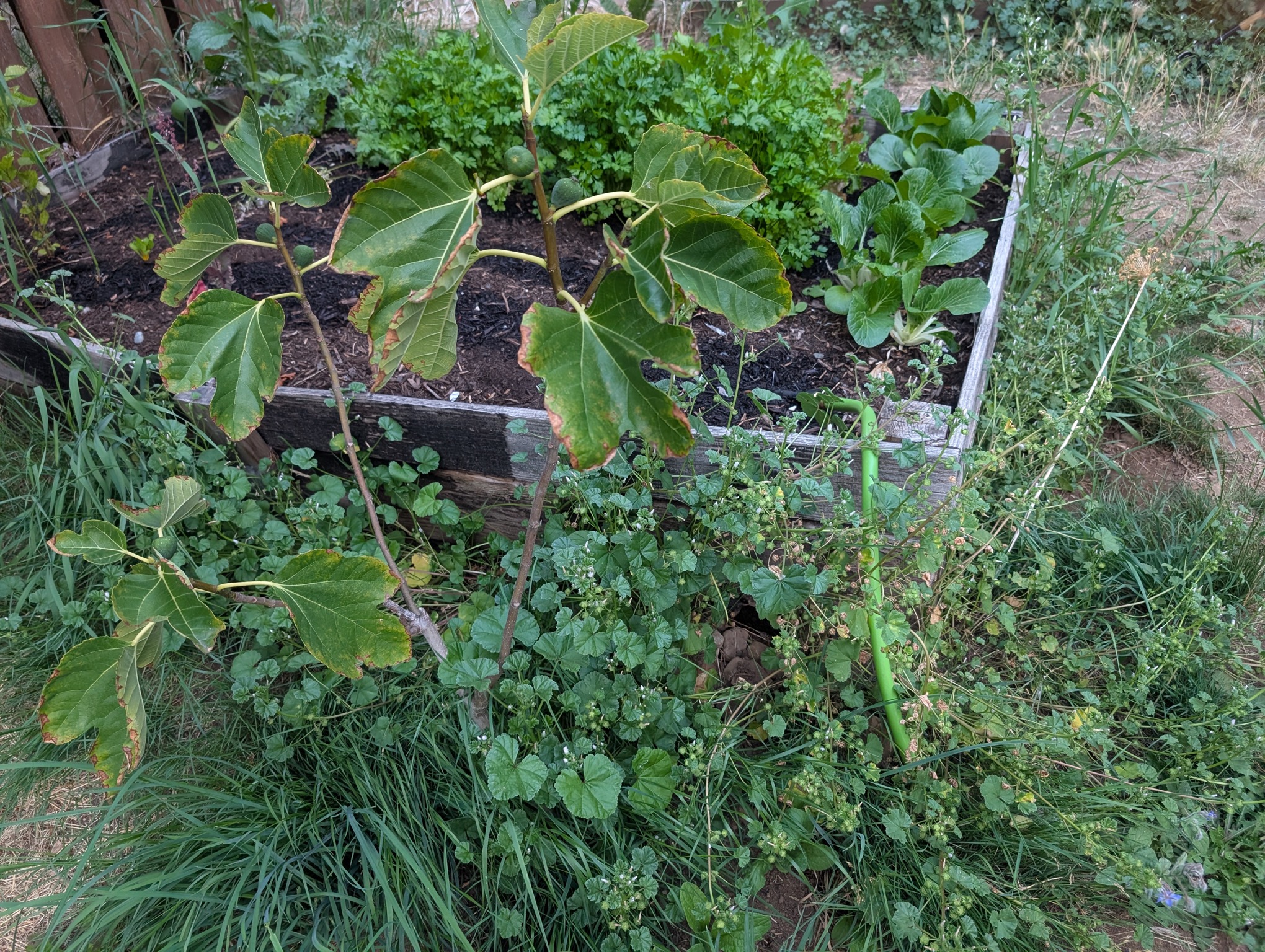
Mallow: The unassuming healer of soil
Each plant family plays its role. Together they weave a fabric of mutual support, resilience, and abundance. This is what a garden can teach us — that healing is not solitary, but relational. That we are each part of a guild, a community, an ecology. What heals the soil heals me. We are the garden.
Root Camp
Participant and Filmmaker
Winter at Unist'ot'en
Filmmaker and Participant in Supporting Indigenous Community
Documenting the resilience and wisdom of the Unist'ot'en community during winter, this film captures the lived experience of supporting indigenous land stewardship and cultural preservation. Through filmmaking and active participation, we share the stories of those protecting their territories and keeping traditional knowledge alive.
Why the Forest is Important
With every stand of forest cut down, we lose our ability to regulate ourselves. Nervous systems deregulate, road rage increases, hospitalizations due to trauma and anger increase, cardiovascular fitness of our communities decrease, anxiety, depression, social isolation, and suicide increase. The forest holds us and grounds us and gives us room to breathe. It's not just what's outside of us that's lost. It's what's inside. And what's between us. And what our communities are made of.
Forage Ecology: Oyster Mushrooms
Pleurotus, or oyster mushrooms, are saprotrophic mushrooms that help the forest digest wood. They also absorb compounds from trees that help us with immunity. And they are very tasty!
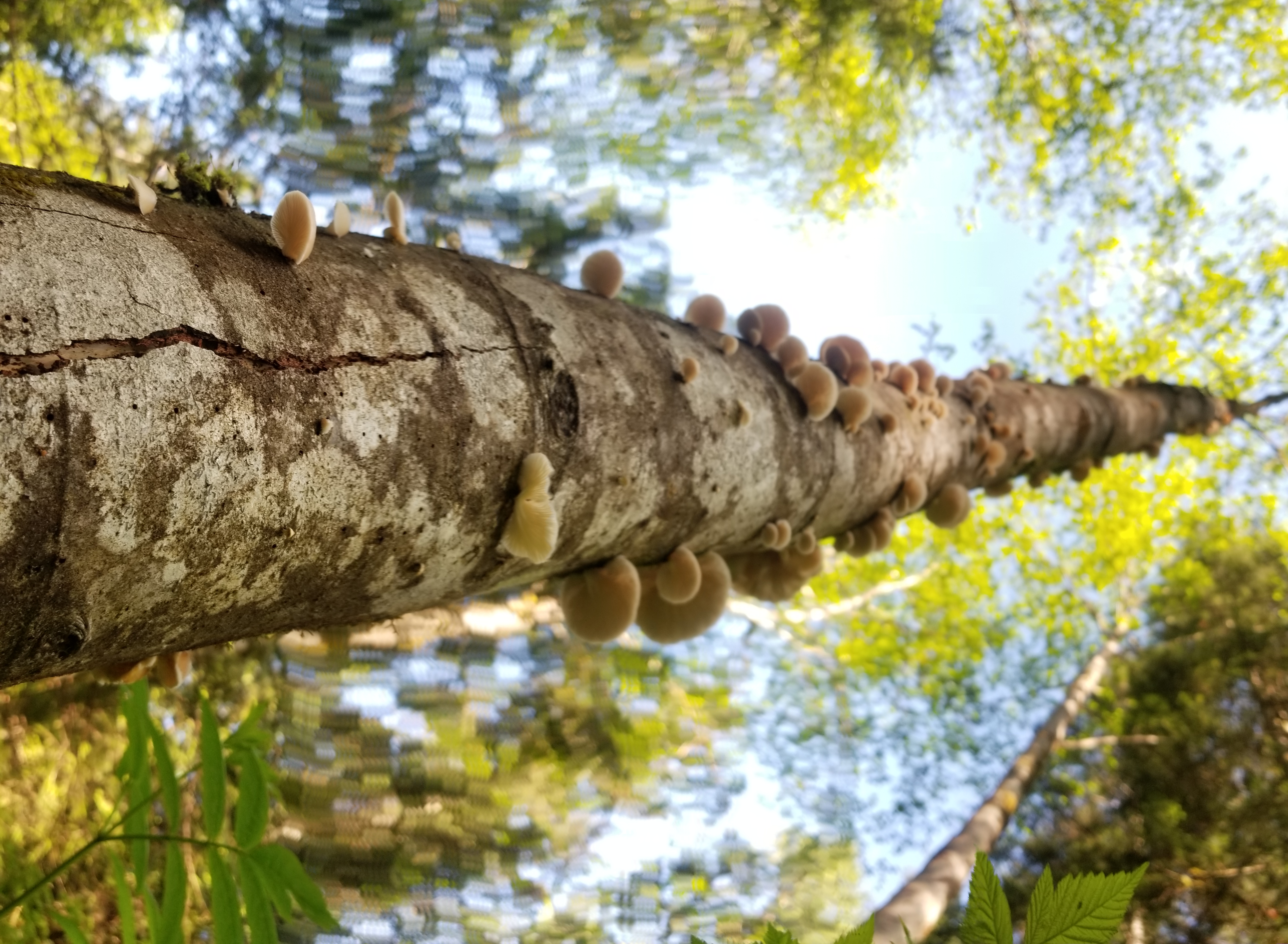
Oyster mushrooms: Forest medicine and food
Why Oyster Mushrooms?
As saprophytes, they break down dead wood, returning nutrients to the forest. For us, they offer immune support and deep nutritional value. This is nature's reciprocal relationship—their role in the ecosystem mirrors their role in our healing.
Foraging Practice
Learning to identify and harvest wild plants is learning to speak the language of your local ecology. Each plant brings a gift.
Nettles
Nettles stabilize soil, provide food for insects, and shelter for birds. Humans have built a relationship with nettles over thousands of years. They are a great medicine, full of bone building vitamin K, calcium, and iron.
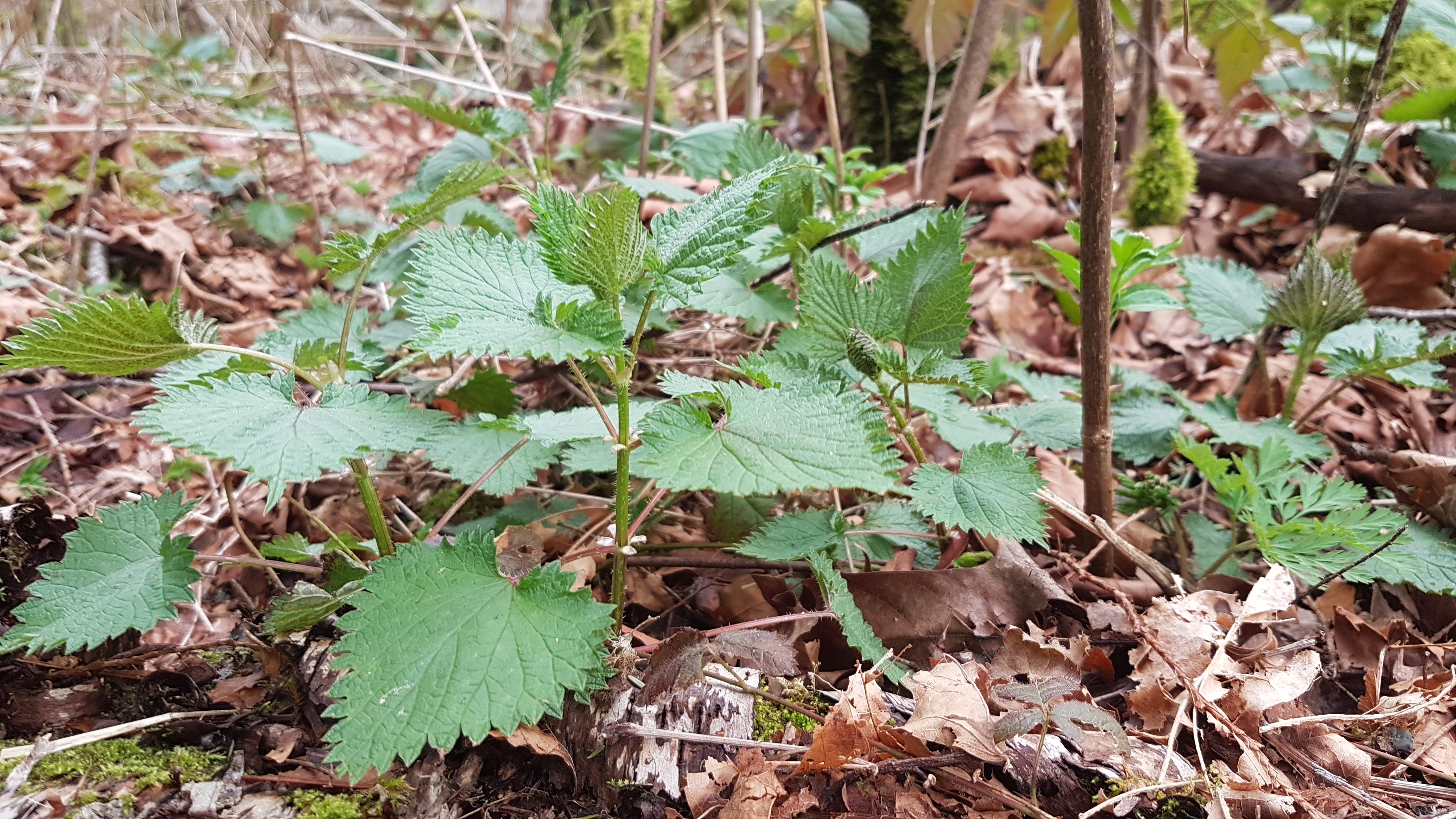
Nettles: Food, medicine, and ecosystem builder
Chickweed
Chickweed grows humbly in many places. And it's very nourishing. This gentle plant appears almost everywhere—in gardens, fields, and roadsides. It teaches us that medicine and nourishment are not rare or exotic, but abundant and accessible.
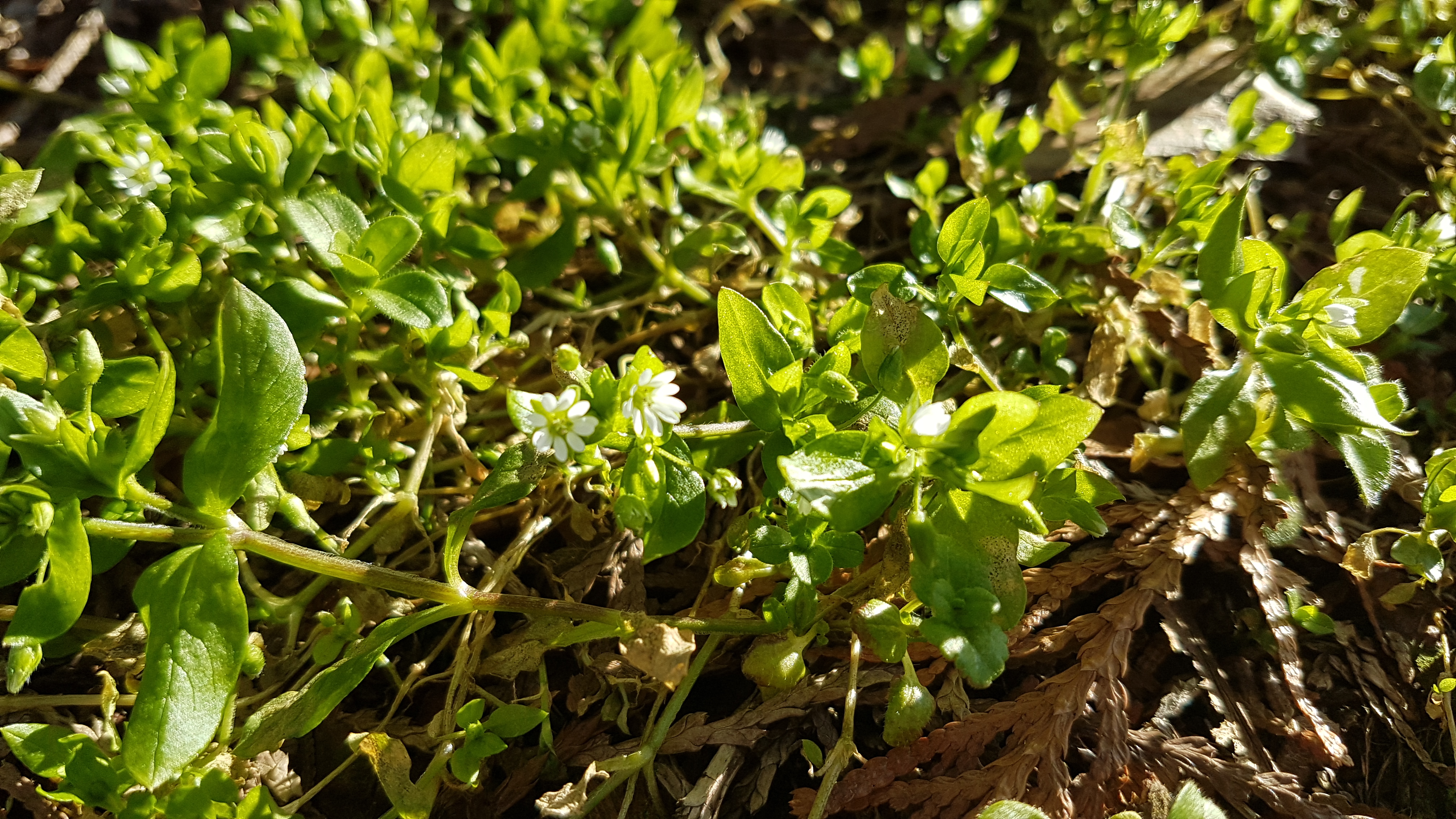
Chickweed: Humble nutrition, widely available
Peppercress
This delicious mustard green is an abundant and nutritious healing herb. With a peppery bite and deep nutrition, peppercress shows us that the most healing plant medicines can also be culinary delights. Forage it, grow it, cook with it.
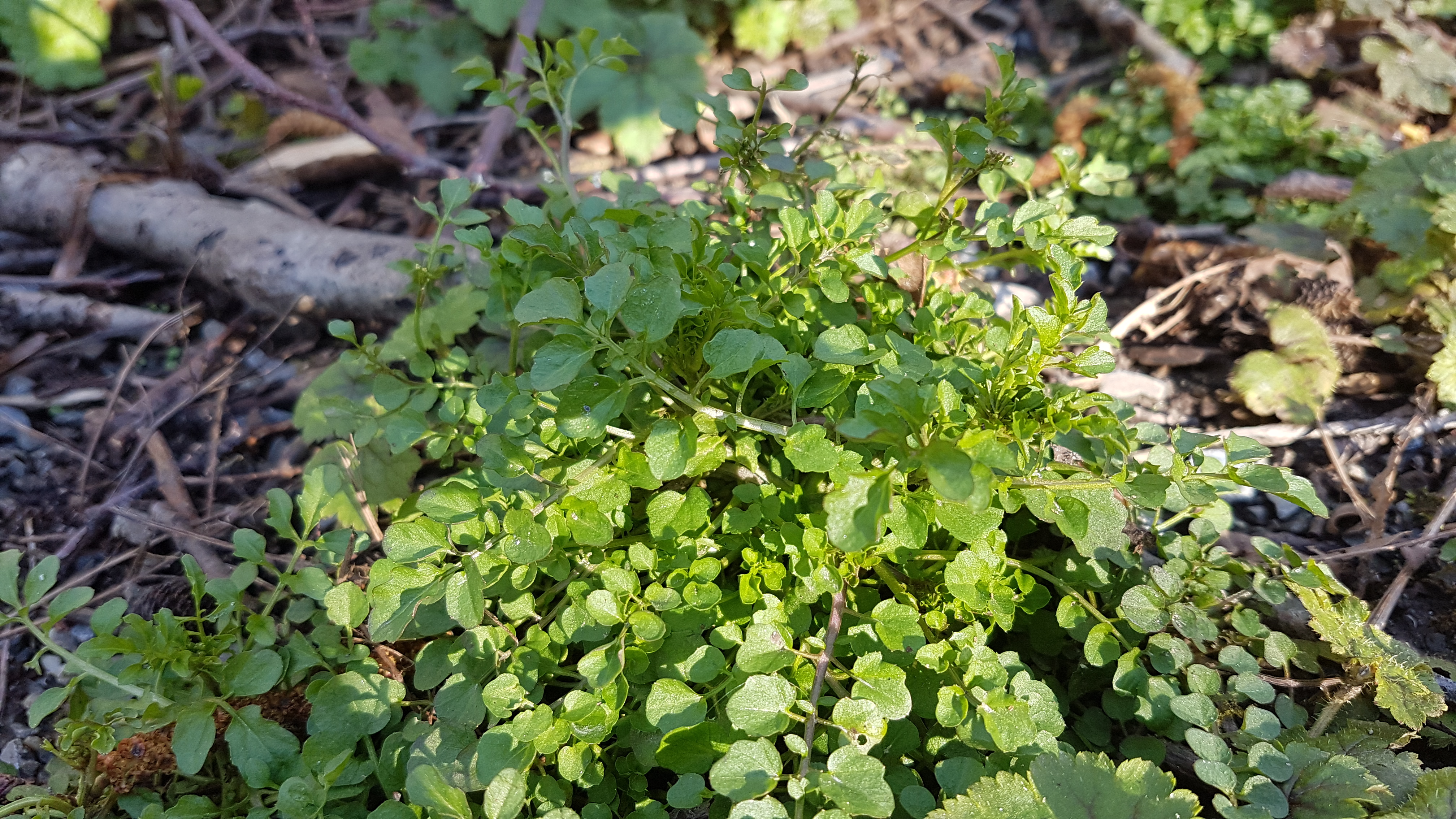
Peppercress: Abundant, delicious, healing
Community Supported Agriculture
CSA programs connect us directly to the land and the farmers who tend it. By supporting local agriculture, we strengthen our communities and our resilience. We vote with our food dollars for the kind of world we want to live in.
When we eat from local land, tended by known hands, we participate in the healing of both soil and community.